OUR HISTORY
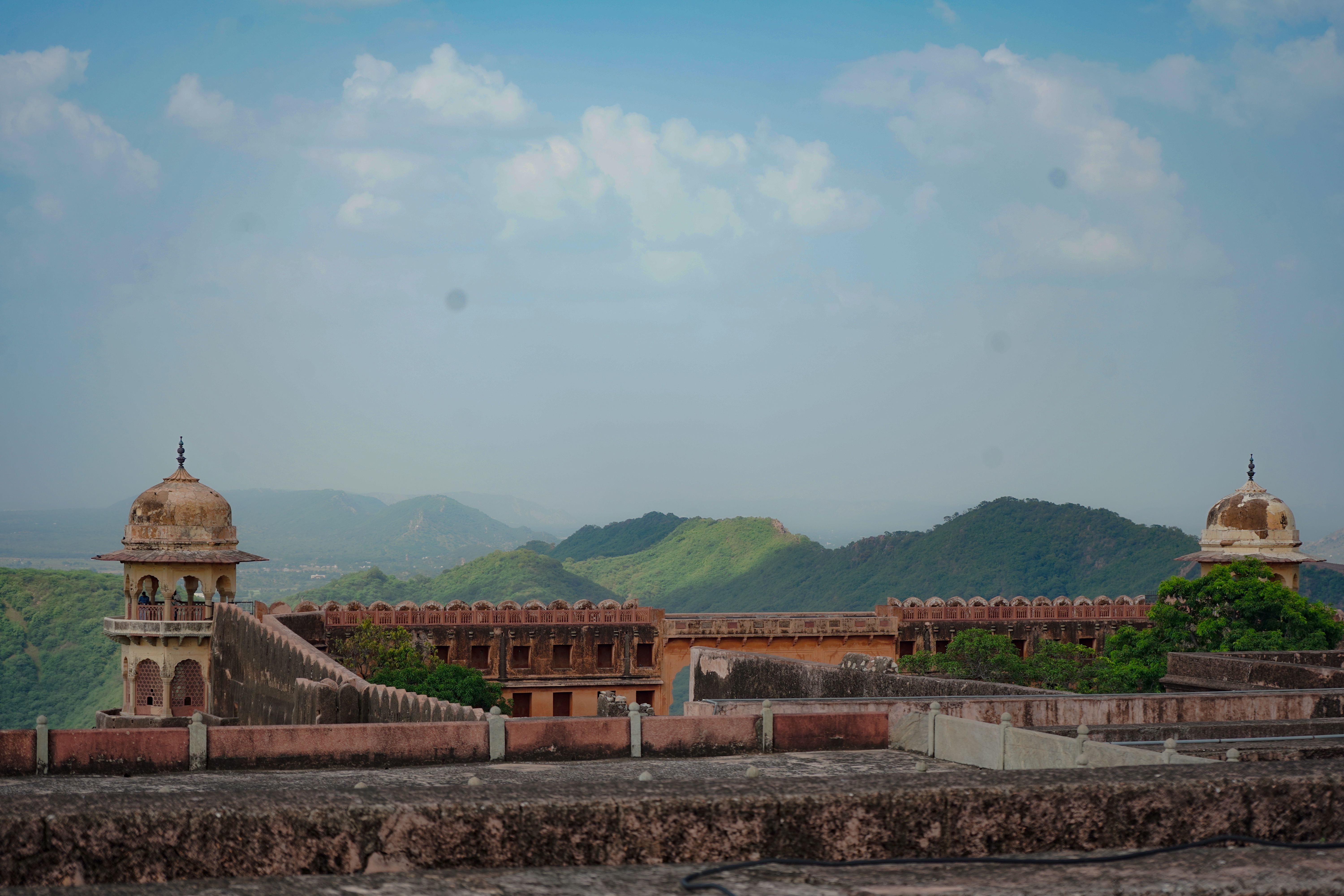
Jaigarh's history is identical to that of Amer, where the Kachhwaha rulers established themselves. While Dulha Rai is regarded as the first Kachhwaha ruler, it was his son, Kakil Dev, who played a more significant role in creating Jaigarh. He recognised the strategic significance of the Amer hills and began constructing a fort there, formerly known as Kakilgarh. This early construction is thought to have served as the foundation for Jaigarh as we know it. As a matter of fact, the palace of Amer was built under Jaigarh's vigilance as well. Without this protection, Amer could not have existed.
Beyond its formidable reputation as a military stronghold, Jaigarh also reveals a story of foresight and resilience. Built with Rajasthan’s demanding climate in mind, the fort is a living example of early sustainable architecture. Most remarkable is its advanced water system: a network of aqueducts, canals, and filtration tanks that carried rainwater into vast reservoirs, some covered with arched roofs to reduce evaporation.
Today, projects such as the CyArk Heritage Amplified Grant reveal the ingenuity of its water management. Alongside this practical brilliance lies the cultural richness of Jaigarh’s built world: the mighty Cannon Foundry, where artillery was forged; the serene Lalit Mandir; and the sun-facing Subhat Niwas, a precursor to the Sabha Niwas at the City Palace, Jaipur.